Planning an Accessory Residential Unit? Most of the construction costs are predictable — framing, drywall, finishes, mechanicals. Those are the numbers we can lock down at quote time. But there are a handful of items that quietly wreck budgets on GTA ARU projects. They're not scams or upcharges. They're real conditions that only reveal themselves once work starts. Here's an honest look at the ones we see most often, and how we help clients prepare.
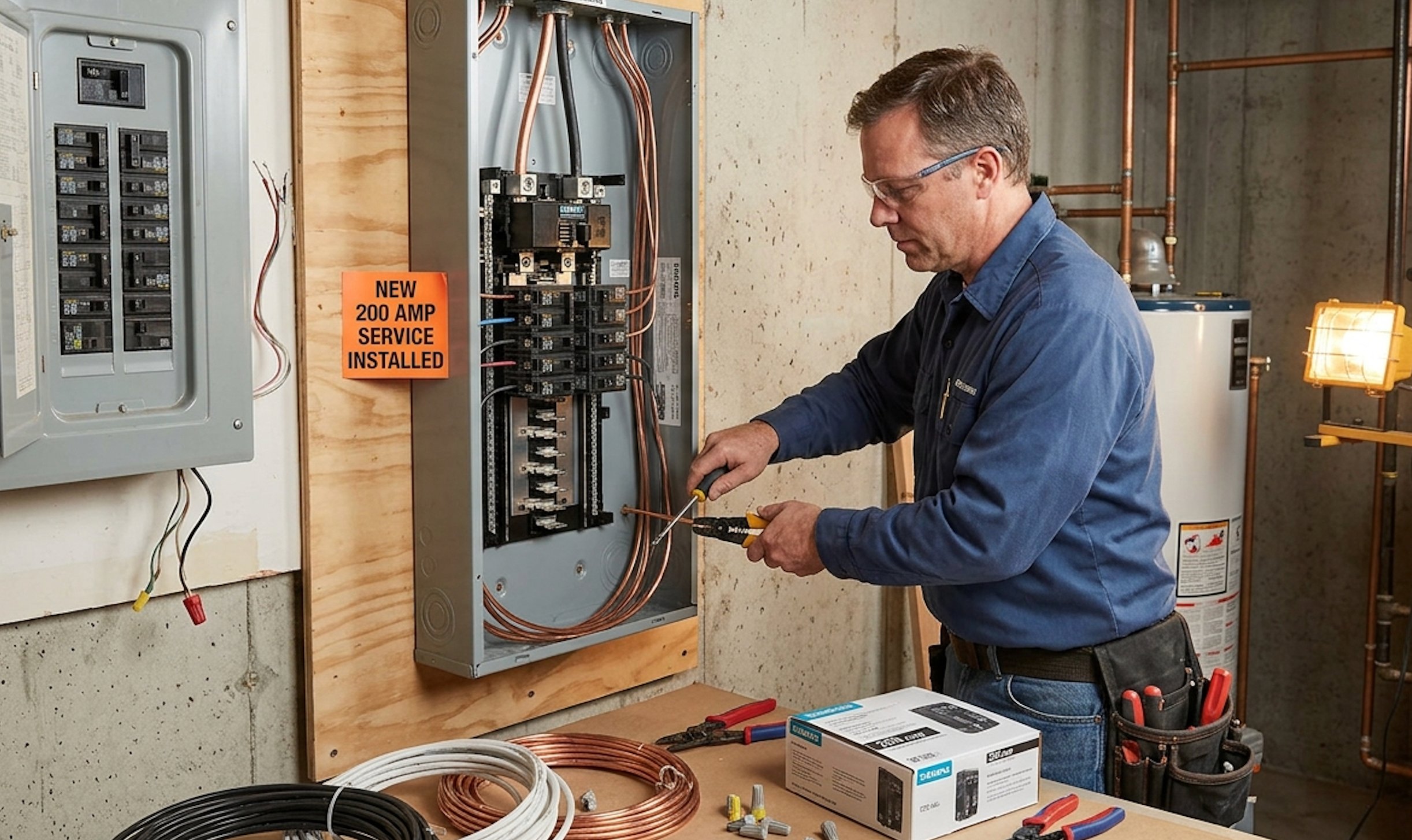
1. Electrical Panel Upgrades: The 200-Amp Requirement
The Ontario Building Code requires ARUs to have dedicated 100-amp electrical service. If your main house currently runs on a 100-amp panel, you'll need to upgrade to 200-amp service to supply both structures.
Predictable Costs
| Item | Cost |
|---|---|
| Electrical contractor fees | $3,000 – $6,000 |
| New 200-amp panel installation | Included |
| Interior wiring modifications | Included |
| Service entrance upgrades | Included |
The Unknown Variable: Hydro Costs
This is where things get unpredictable. If your neighbourhood's grid can handle a direct upgrade to 200-amp service, utility fees are typically manageable. But if the local transformer needs new cables run from the street, costs climb fast: engineering and design fees, street excavation permits, trenching and cable installation, potential road restoration, and traffic management.
Depending on distance and complexity, total hydro upgrade costs can range from $2,000 to $20,000+. Your site's situation usually isn't clear until the utility does their review.
2. Foundation Excavation: When the Ground Fights Back
Once the excavator arrives, the ground tells you what's actually down there — and it doesn't always match expectations.
Common Underground Surprises
Bedrock encounters require specialized equipment and sometimes blasting permits. Large boulders often force hand excavation, dramatically increasing labour. Unexpected utilities — old gas lines, abandoned water services, forgotten electrical runs — have to be identified and rerouted. Poor soil conditions like unstable clay or sand may require additional foundation work. A high water table can force drainage systems or waterproofing upgrades. And in older neighbourhoods, archaeological finds can temporarily halt construction entirely.
Excavation surprises usually add $2,000 – $8,000 to a project, depending on severity.
3. Tree Protection and Replacement Requirements
Most GTA municipalities have strict tree preservation bylaws that directly impact ARU budgets.
Tree Protection Measures
| Item | Cost |
|---|---|
| Protective fencing installation | $1,000 – $3,000 |
| Arborist supervision (per visit) | $150 – $300 |
| Root protection systems | $800 – $2,000 |
| Modified construction near trees | 10–20% labour premium |
Tree Removal and Replacement
| Item | Cost |
|---|---|
| Tree removal permits (per tree) | $50 – $500 |
| Professional removal (per large tree) | $800 – $3,000 |
| Mandatory replacement plantings | $300 – $800 per tree |
| Replacement tree bonds (refundable) | $500 – $1,000 per tree |
Tree-related costs commonly add $1,500 – $5,000 to an ARU project, and more on heavily treed lots.
4. Site Grading and Drainage Complications
ARUs need to maintain proper drainage while still respecting setbacks and lot coverage limits. That combination creates some tricky grading scenarios.
Potential Grading Issues
Insufficient fall may require extra excavation or a raised foundation. Neighbour drainage impacts can force drainage agreements or redirect systems. Retaining walls become necessary when grade changes exceed safe slopes. French drains are sometimes needed for persistent water issues. Original topsoil may be unusable after excavation and need replacement. And landscape restoration — returning disturbed areas to their original condition — is often underestimated.
Grading complications typically add $3,000 – $10,000 to a project.
5. Other Hidden Costs to Consider
Permit and Approval Delays
Extended carrying costs, design revisions required by planning departments, and additional consultant fees for revised submissions can all add up while you wait.
Seasonal Construction Challenges
Winter construction typically carries a 10–15% labour surcharge, plus heating costs for concrete curing. Extended timelines in cold weather also inflate soft costs.
Utility Connections
| Item | Cost |
|---|---|
| Gas line extensions | $1,500 – $4,000 |
| Water service tie-ins | $800 – $2,500 |
| Sewer connection fees | $1,000 – $3,000 |
Site Access Issues
Crane rental for difficult access runs $1,200 – $2,500 per day. Material handling premiums add 15–25% when standard delivery isn't possible. Temporary driveway or walkway protection is sometimes required to prevent damage to existing surfaces.
6. ARVO's Proactive Approach: Minimizing Surprises
We can't eliminate every unknown, but we can catch most of them before they become invoices.
Pre-Construction Investigation
Site analysis — a comprehensive evaluation before design begins. Utility locates — professional marking of all underground services. Soil testing — understanding ground conditions early. Tree assessment — arborist consultation during the initial site visit.
Transparent Budgeting
We include appropriate contingencies in every estimate, require client approval for any major scope changes, and run weekly progress and budget reviews during construction.
Municipal Expertise
Deep knowledge of local bylaws across the GTA, efficient permit applications to minimize delays, and proactive inspector communication to avoid surprises.
Risk Mitigation Contracts
Clear scope definitions, transparent change order protocols, and fixed-price protections on core construction costs.
Planning Your ARU Budget
Start with your base construction estimate and add a 15–20% contingency for standard projects. Add another 5–10% buffer for complex sites or tight schedules. Keep a separate allowance for utility upgrades and municipal fees so they don't eat into your construction budget.
When to Seek Professional Guidance
If your property has mature trees, a sloped or irregular lot, is in an older neighbourhood with aging infrastructure, or has had previous additions or modifications — bring in a design-build team early. Those are exactly the conditions where hidden costs multiply, and they're also the conditions where experienced judgement saves the most money.